Back to all posts
CreativityCommentary
Nobody Tastes Your Product. They Taste Your Brand.
A crappy $2.80 bottle of wine won a gold medal. Five studies tell us why.
October 12, 2026
Will Burns
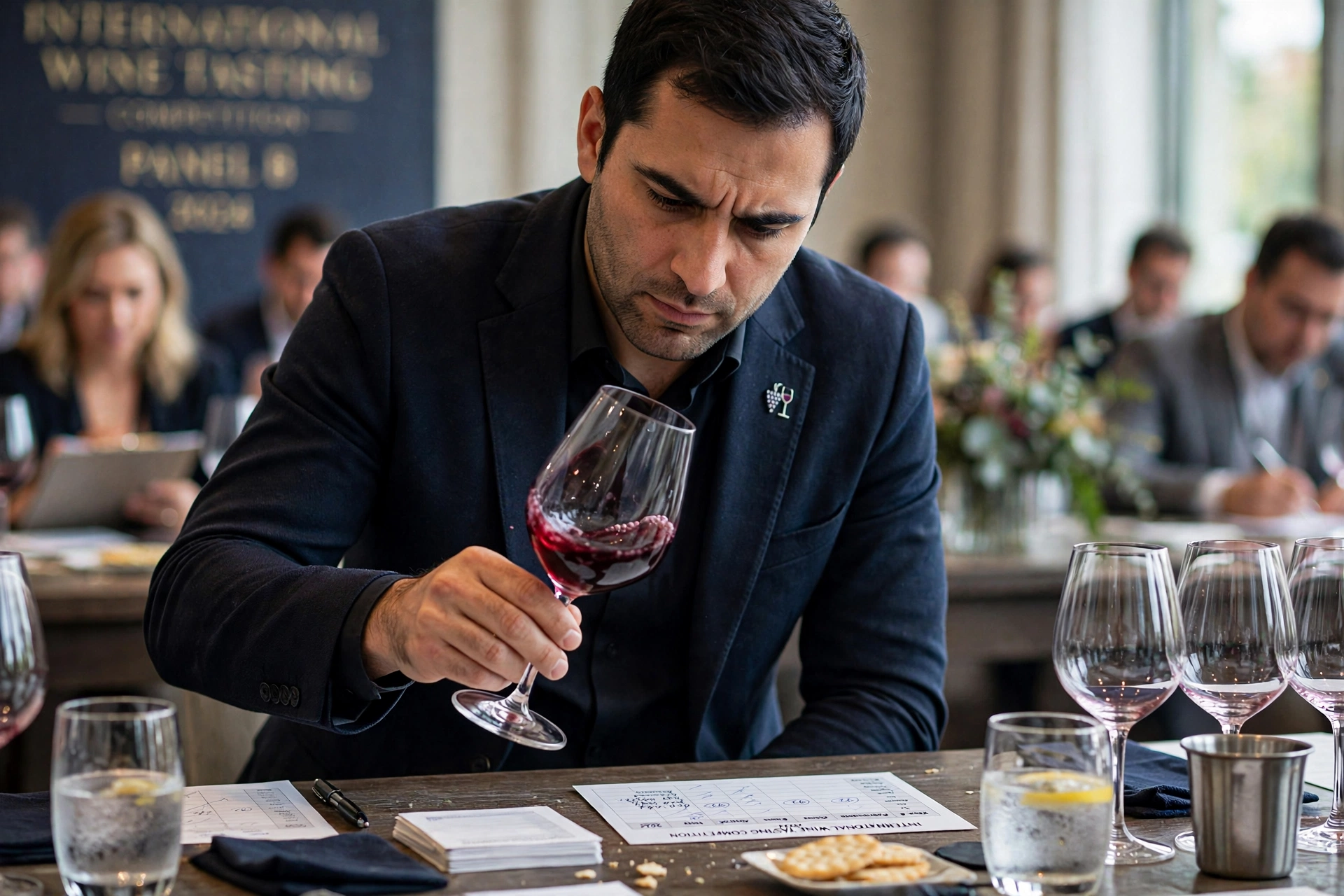
A Belgian sommelier walked into a roadside supermarket and bought the cheapest bottle of wine on the shelf: €2.50 (about $2.80). Then he dressed it up — gave it a grand name, “Le Château Colombier,” an elegant label, and an invented backstory about high-quality Belgian grapes. He entered it in a prestigious international wine competition (video here, but it's in Belgian).
The crappy wine won a gold medal. 88 points. The judges praised its “rich bouquet” and “impeccable aroma.”
The judges weren’t corrupt. They weren’t stupid. They were human — and that’s the whole point.
Here’s what actually happened in their heads, and it’s the same thing happening in your customers’ heads every day: the packaging didn’t just change what they thought about the wine. It changed how it tasted.
This isn’t a one-off party trick.
- Golfers told they were putting with a Nike putter needed 20% fewer strokes than golfers told they had a generic putter. Same putter, both groups. The Nike brand didn’t change the club — it changed the golfer, via confidence. (Frank Germann, University of Notre Dame)
- In blind taste tests, people lean Pepsi. Show the labels, and preference flips to Coke — brain scans show memory and identity regions lighting up the moment the brand appears. (McClure et al., 2004)
- An energy drink sold at full price actually made people perform better on puzzles than the identical drink sold at a discount. The discount didn’t just signal lower quality — it produced lower performance. (Shiv, Carmon & Ariely, 2005)
- Kids aged 3 to 5 said identical chicken nuggets, fries — even carrots and milk — tasted better in McDonald’s packaging. (Robinson et al., 2007)
- And about fifty years ago, marketing pioneer Louis Cheskin put identical laundry soap in three boxes — yellow, red, and blue — and asked moms to test them. The moms didn't know it was the same soap in each box. They came back with confident, consistent verdicts on which was harshest and which was gentlest. The box color was the only variable. Cheskin called it “sensation transference”: we don’t only experience the product, we experience the package.
Here’s the contrarian takeaway for your brand: most marketers treat branding as decoration — the thing you do after the product is good. The science says that’s backwards. Your brand, your packaging, your price, your label — those aren’t the wrapping around the product. They’re ingredients in the product. Your customer literally cannot separate them.
Three things to do with this insight:
- Stop apologizing with discounts. The energy-drink study is the scariest one on this list: a lower price didn’t just cheapen the brand, it made the product work worse. Every discount is a small announcement that you believe in your own product less.
- Invest in the package like it’s the product. Because neurologically, it is. Your customer’s brain doesn’t sample the product and then consult the brand — the brand frames the entire experience before the first sip, putt, or bite. Every dollar you put into how your product looks, feels, and presents is a dollar put into how good it actually is to the person buying it.
- Have and articulate your brand idea (story). The $2.80 wine didn’t win on a label alone — it won on a label plus a story about Belgian grapes. Your packaging is the label; your brand story is the grapes. Most businesses have neither written down.
If your brand doesn’t have an idea behind it — a real one, the kind that changes how customers experience what you sell — that’s our whole business. At Ideasicle X, we build the brand ideas that make products taste better, feel better, and perform better. If you don’t have a powerful brand idea yet, contact us and we’ll change that.
Sources
- Frank Germann (Notre Dame) on the Nike putter placebo effect: https://www.fastcompany.com/3055747/proof-you-really-will-golf-better-with-a-nike-branded-club
- Shiv, Carmon & Ariely (2005), “Placebo Effects of Marketing Actions,” Journal of Marketing Research: https://papers.ssrn.com/sol3/papers.cfm?abstract_id=707541
- Robinson et al. (2007), “Effects of Fast Food Branding on Young Children’s Taste Preferences,” Archives of Pediatrics & Adolescent Medicine: https://medicalxpress.com/news/2007-08-mcdonald-kids-buds.html
- Louis Cheskin and “sensation transference”: https://www.foodprocessing.com/home/article/11370382/packaging-food-marketers-use-food-packaging-to-trigger-emotions
- McClure et al. (2004), “Neural Correlates of Behavioral Preference for Culturally Familiar Drinks,”: https://www.sciencedirect.com/science/article/pii/S0896627304006129

Will Burns is the Founder & CEO of Ideasicle X. He's an advertising veteran from such agencies as Wieden & Kennedy, Goodby Silverstein, Arnold Worldwide, and Mullen. He was a Forbes Contributor for nine years writing about creativity in modern branding. Sign up for the X Factor Newsletter and never miss a post.
brandingmarketingconsumer psychology